
5
Technologies listed in the source
Digital Twin
Digital twins create dynamic digital representations of physical assets, systems, or processes. They support simulation, analysis, and prediction of behavior and performance, helping organizations improve product development and operational efficiency.
5
Technologies listed in the source
4
Main capability areas
4
Manufacturing example components
5
Key application domains
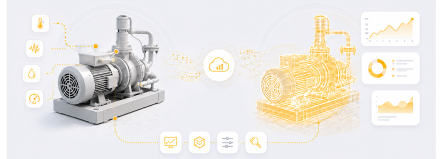
A digital twin is a synchronized virtual representation of a physical object, system, or process. It can support monitoring, simulation, and analysis using operational data, often supplied by connected sensors.
Overview
Digital Twin Core
By bridging physical and digital systems, digital twins can help organizations test scenarios, predict outcomes, optimize performance, and make better-informed decisions before selected changes are applied to real assets. The business-unit profile frames Digital Twin as a strategic capability for monitoring, simulation, and analytics-driven optimization.
Digital Twin Capabilities

3D digital representation of assets, systems, and cities.

Simulation and predictive-maintenance support.

Supports real-time or near-real-time synchronization with physical systems, depending on the available data and system architecture.

Advanced planning and optimization tools.
Technologies of Digital Twin
The source file highlights five supporting technologies behind the digital-twin ecosystem. They are presented here in a cleaner card system.

Leverages historical and real-time data paired with machine-learning frameworks to make predictions about future scenarios or events within the context of the asset.

Sensors can continuously collect machine data, state, and condition from the physical asset and transmit it to the digital twin through wired or wireless networks.

Provides the computing resources needed to store and process large volumes of data from the asset and its digital twin.

Provide the necessary tools to extract, share, and harmonize data from multiple systems that contribute to a single digital twin.

Renders the spatial model and visualization of the digital twin, providing the medium for collaboration and interaction with it.
Manufacturing Process Example
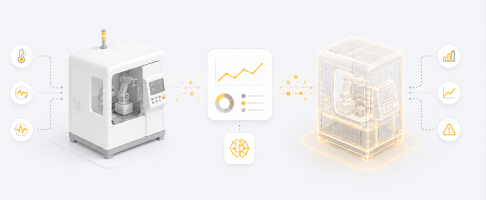
The manufacturing example in the source profile explains how data, analytics, sensors, and actuators work together to create a live operational feedback loop.
Sensors distributed throughout the manufacturing process create signals that enable the twin to capture operational and environmental data pertaining to the physical process in the real world.
Real-world operational and environmental data from the sensors are aggregated and combined with enterprise data such as bill of materials, enterprise systems, and design specifications.
Analytics techniques are used to analyse the data through algorithmic simulations and visualization routines that are used by the digital twin to produce insights.
In the manufacturing example, the digital twin can support or trigger an action through actuators, subject to the system's control design and any required human oversight.
Why Digital Twin?
Advantages of Digital Twin
Applications of Digital Twin

Cities can integrate IoT sensors throughout urban infrastructures, such as water pipes, roads, and electrical grids. The digital twin uses this data to monitor the city's infrastructure.

Urban development digital twins streamline land management, enhance planning, and optimize maintenance for efficient and sustainable operations.

Smart-building digital twins can help optimize energy use, anticipate maintenance needs, and improve occupant comfort and safety.

Smart-infrastructure digital twins can support urban planning, improve resource allocation, and strengthen resilience for more sustainable development.

Digital twins, together with AR or VR, can support interactive and immersive visitor experiences, including detailed exploration of artifacts that may not be physically displayed because of space or conservation constraints.
Let's transform this company story into a stronger digital experience that reflects leadership, trust, and future-ready ambition.