
5 Stages
Plan through support
Low Current
JAWRAA's Low Current capability profile covers structured cabling, low-current connectivity, field installation, testing, labeling, documentation, and operational handover through a Saudi-based, scalable multi-site delivery model.
5 Stages
Plan through support
Fiber & Copper
Structured cabling works
Multi-site
Mobilization readiness
Traceable
Testing and acceptance evidence
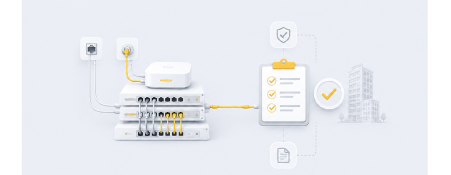
Saudi-based execution supported by governance, HSE, quality control, logistics, and a scalable approach across sectors and sites.
Low Current Capability Profile
Who We Are
JAWRAA delivers structured cabling, low-current connectivity, and field installation, supported by testing, labeling, documentation, and operational handover. The delivery model is Saudi-based and incorporates governance, HSE, quality control, logistics, and scalable multi-site execution across sectors.
Why JAWRAA

From site readiness through installation, testing, and handover.

Structured cabling works covering fiber and copper infrastructure.

Physical connectivity for field endpoints, racks, and cabinets.

Testing, validation, records, and support readiness.

Execution aligned with applicable project, HSE, quality, documentation, and handover requirements.
Core Capability Portfolio
The capability portfolio covers structured cabling, physical endpoint connectivity, termination, labeling, testing, validation, and multi-site operational support.

Structured cabling across fiber and copper, including routing, containment, and patching.

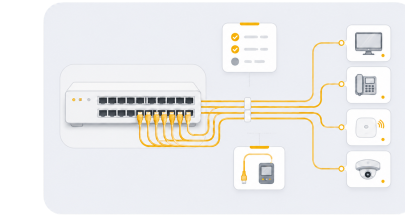
Device-side physical connectivity for ELV, CCTV, access-control, IoT, telecom, and network endpoints.

Installation, cabling, termination, and physical connectivity for cameras, access-control devices, sensors, panels, intercom units, access points, cabinets, racks, and related field endpoints.

Termination, labeling, port mapping, and structured records for field connectivity.

Testing and validation supported by project-defined acceptance criteria, evidence, documentation, and operational handover.

Scalable mobilization and operational support across multiple sites and sectors.
Technical Coverage Framework
The source framework organizes delivery around installation readiness, routing, cabling works, low-current connectivity, HSE, quality, documentation, and handover.
Confirm site conditions, access, routes, and execution readiness before deployment.
Execute structured cabling and associated fiber/copper works.
Route and pull cables according to the agreed drawings, pathways, and installation requirements.
Deliver the physical connectivity needed by low-current and ELV systems.
Apply the agreed HSE and quality controls while maintaining delivery records.
Complete testing, evidence, documentation, and traceable acceptance against the agreed criteria.
The business-unit profile identifies risk reduction, infrastructure reliability, and traceable acceptance as intended customer outcomes; actual results depend on the approved design, materials, installation quality, testing, and operating environment.
Execution & Delivery Model
The delivery model follows five stages: Plan, Engineer, Deploy, Validate, and Support.
Define scope, review drawings, confirm access requirements, and establish acceptance needs.
Confirm routing, materials, HSE requirements, and installation readiness.
Complete installation, termination, and physical connectivity works.
Perform testing, prepare records, finalize as-built information, and complete handover.
Provide troubleshooting, reporting, and continuity support according to the agreed service scope and service levels.
Customer Inputs
Delivery Confidence
Standards & Scope Note
Low Current is used here as the service-category name from JAWRAA's source profile. For structured telecommunications cabling, the applicable design, installation, testing, documentation, and acceptance requirements should be defined by the project specifications and relevant standards. References to CCTV, access control, IoT, telecom, and network endpoints describe device-side installation and physical connectivity; they do not by themselves claim full system design, software configuration, regulatory approval, or certification.
Let's transform this company story into a stronger digital experience that reflects leadership, trust, and future-ready ambition.